 Traduzir ao Português
 Traducir al Español
 Traduire au Français
 Zum Deutschen übersetzen
 日本語に翻訳しなさい
 翻译成中文
翻译成中文 한국어에게 번역하십시오
 Tradurre ad Italiano
 Arabic
 Перевести на Pусский
 SUBSCRIBE
 RSS FEEDS


 Visitors
  An EU study has concluded the economic impact of world forest loss exceeds the current banking crisis. The study by economists, which quantified the vital services the worlds' forests provide (absorbing carbon dioxide, cleaning water...), places the cost of the disappearing forests between $2 and $5 trillion per year.
The global economy is losing more money from the disappearance of forests than through the current banking crisis, according to an EU-commissioned study... study leader Pavan Sukhdev emphasised that the cost of natural decline dwarfs losses on the financial markets."It's not only greater but it's also continuous, it's been happening every year, year after year," he told BBC News. "So whereas Wall Street by various calculations has to date lost, within the financial sector, $1-$1.5 trillion, the reality is that at today's rate we are losing natural capital at least between $2-$5 trillion every year."
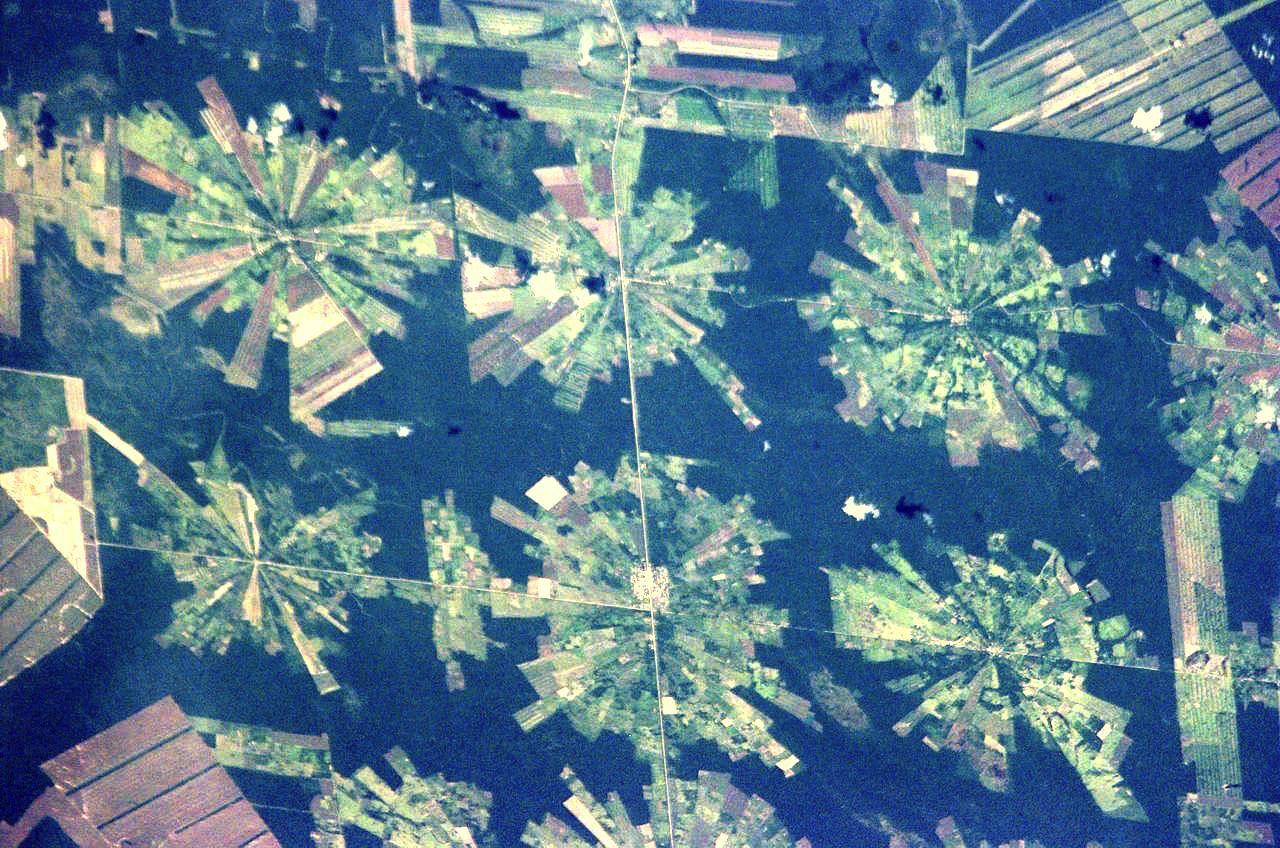 The report cites the advantages forests provide as basically free and points out that, without them, the services will either have to be provided through costly technology or through the increasing cost and consequences of growing climate change (which will fall disproportionally upon the world's poor).
 "Times have changed," Sukhdev explained, "almost three years ago, even two years ago, their [governments and business] eyes would glaze over. Today, when I say this, they listen."
Several countries have begun efforts toward forest conservation. Ecuador has gone so far as to enact laws that proclaim their trees and water have specific rights to life. Continued...
[1] [2] read more...


