Loading...
HOME
POLITICS
CLIMATE
BUSINESS
SCIENCE
WORLD
HISTORY
LIFESTYLE
EDITORIAL
RESOURCES
CONTACT
Showing posts with label USGS. Show all posts

FEATURE

Flow rate from BP oil spill many times higher than previously estimated


AnswerTips-Enabled

Update 6/15/10:  The estimate has been raised to 35,000-60,000 barrels (1.5 million to 2.5 million gallons) a day. 

The federal government has doubled the official estimate of the oil spewing from BP's damaged well head on the Gulf floor to 20,000 to 40,000 barrels per day.  That is many times the estimate a few weeks ago and exponentially more than the initial estimate calculated by the pictures of the disaster provided via government satellite.

A government panel on Thursday essentially doubled its estimate of how much oil has been spewing from the out-of-control BP well, with the new calculation suggesting that an amount equivalent to the Exxon Valdez disaster could be flowing into the Gulf of Mexico every 8 to 10 days.

A barrel is 42 gallons, so 30,000 barrels would equate to nearly 1.3 million gallons a day. The Exxon Valdez disaster in 1989 is estimated to have spilled 10.8 million gallons of oil into Prince William Sound in Alaska.

Ira Leifer, a researcher at the University of California, Santa Barbara, and a member of the flow-rate group, said the new figures confirmed a suspicion he had developed, based on looking at satellite data, that the rate of flow for the well was increasing even before BP cut the riser pipe.

"The situation is growing worse," Dr. Leifer said.
This dramatic change in estimate came about after it was discovered that BP had high resolution video of the Gulf floor they had chosen neither to release or to inform Congress or the Flow Rate Group of its existence.  It is expected, as the newly revealed high resolution video is studied by the Flow Rate Group scientist who've been brought together by the USGS, the estimates will continue to rise.  Continued...


FEATURE

An Early Spring


AnswerTips-Enabled


Forty-six years ago, Rachel Carson's seminal work, SILENT SPRING, alerted the world of damage to the environment by the pesticide DDT. It is a book that is widely considered to be the genesis of modern environmental movement and that may be true, as it raised public awareness as to the dangers of pollution to the eco-system.

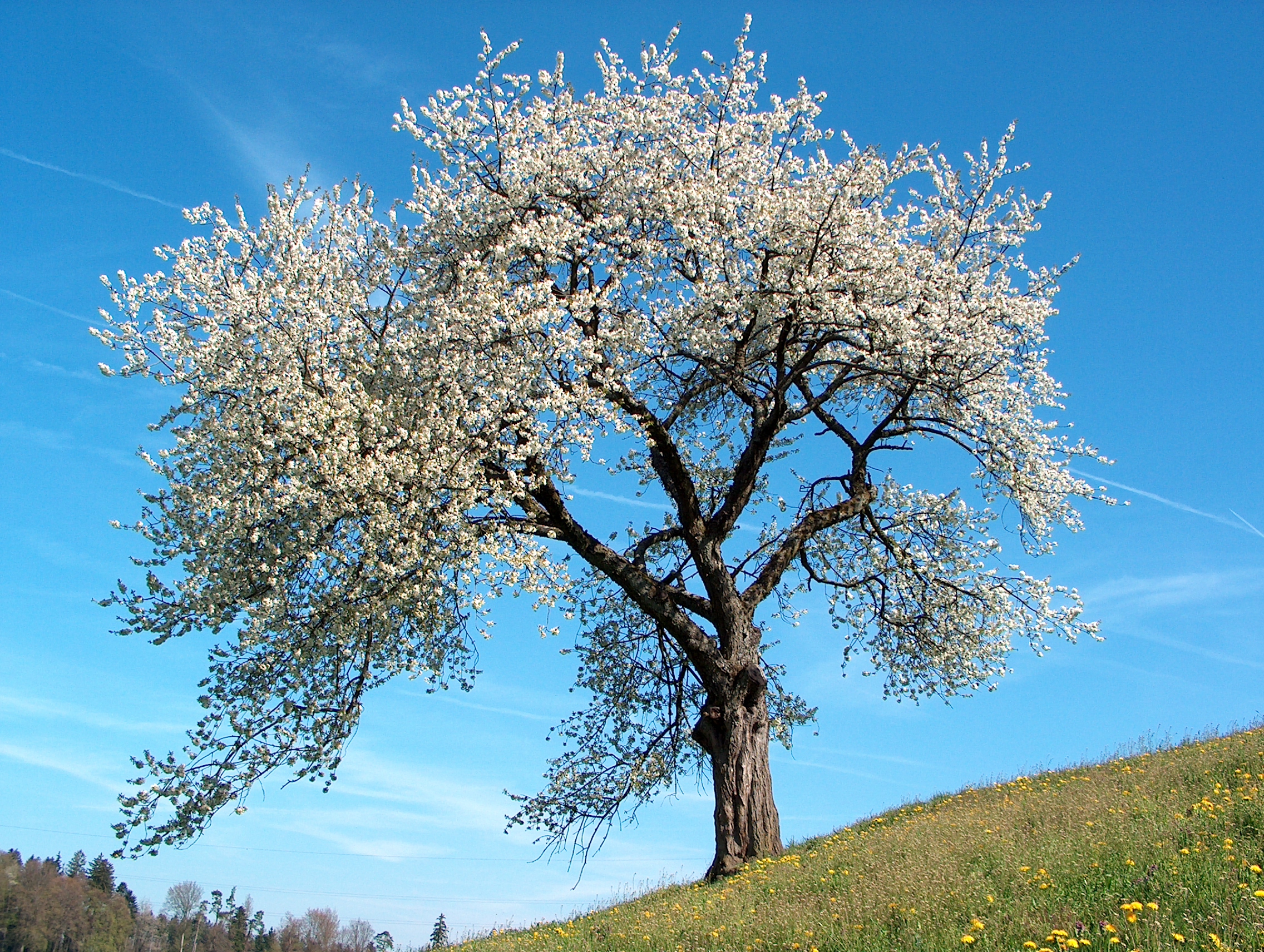
Now, a new kind of silent spring is upon us; an early spring that is so confusing to vulnerable plant and wildlife that many may not survive its untimely arrival.

"The alarm clock that all the plants and animals are listening to is running too fast," Stanford University biologist Terry Root said.

Blame global warming.

The fingerprints of man-made climate change are evident in seasonal timing changes for thousands of species on Earth, according to dozens of studies and last year's authoritative report by the Nobel Prize-winning international climate scientists. More than 30 scientists told The Associated Press how global warming is affecting plants and animals at springtime across the country, in nearly every state.

The science of biological timing, known as phenology, has been impacted to the point where the "federal government and some university scientists are so alarmed by the changes that they created a National Phenology Network at the U.S. Geological Survey."

"Phenology is the study of the times of recurring natural phenomena. The word is derived from the Greek phainomai (φαινομαι)- to appear, come into view, and indicates that phenology has been principally concerned with the dates of first occurrence of natural events in their annual cycle.

Because many such phenomena are very sensitive to small variations in climate, especially to temperature, phenological records can be a useful proxy for temperature in historical climatology, especially in the study of global warming..."

More Fragile than They Might Appear


AnswerTips-Enabled


Cross-posted on Huffington Post

A twenty-two year USGS study of 21,000 trees in the Sierras has produced an unexpected result: The trees are dying. Not just one variety, but the Ponderosa Pines, the White Fir Conifers, the Red Fir, the Jeffrey Pines and the Subalpine are all dying of the thirst and the heat and the insect infestation that accompanies drought conditions.

“They’re more fragile than they might appear,” says Dr. Phillip van Mantgem, an ecologist with the U.S. Geological Survey and lead author of the report that suggests even the slightest change in climate can produce unexpected results in a delicate ecosystem. In this case, in addition to the millions of Southern California trees that have already died due to the Bark Beetle infestation, the Sierra range will be more vulnerable to fires as the dying trees become kindling while the air their leaves and pine needles once cooled grows warmer...[more]

FEATURE

More Fragile than They Might Appear: The Sierras’ Warning of a Warming World


AnswerTips-Enabled

Cross-posted on Huffington Post

A twenty-two year USGS study of 21,000 trees in the Sierras has produced an unexpected result: The trees are dying. Not just one variety, but the Ponderosa Pines, the White Fir Conifers, the Red Fir, the Jeffrey Pines and the Subalpine are all dying of the thirst and the heat and the insect infestation that accompanies drought conditions.

“They’re more fragile than they might appear,” says Dr. Phillip van Mantgem, an ecologist with the U.S. Geological Survey and lead author of the report that suggests even the slightest change in climate can produce unexpected results in a delicate ecosystem. In this case, in addition to the millions of Southern California trees that have already died due to the Bark Beetle infestation, the Sierra range will be more vulnerable to fires as the dying trees become kindling while the air their leaves and pine needles once cooled grows warmer.

This symbiotic relationship is not isolated to the Sierras. The Mount Parnitha Forest, long known as the “lungs of Athens,” burned earlier this summer in a nine-day heat wave at 46 degrees Celsius (114.8 degrees Fahrenheit)...

Read more...

IN THIS ISSUE